The Expired Prescription in the Hallway Closet: A Home Audit for Leftover Opioids
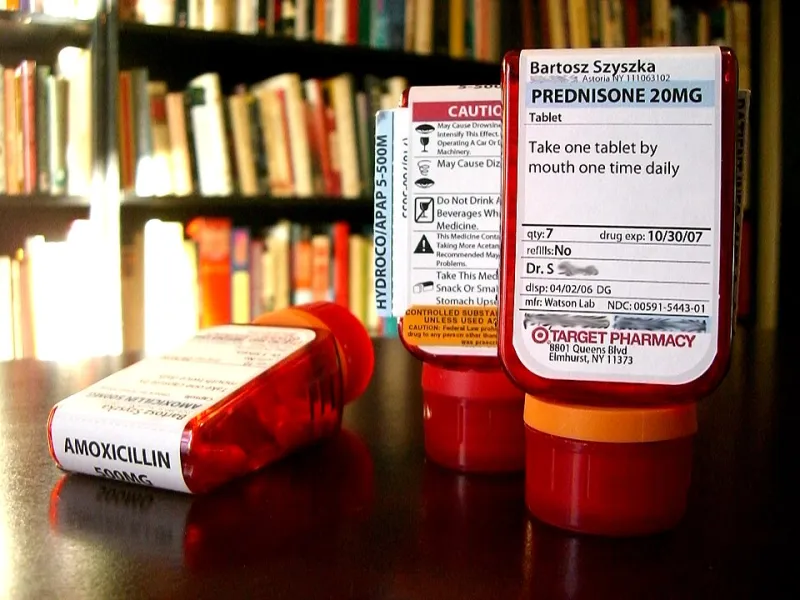
Photo: Bart from New York, USA, CC BY 2.0, via Wikimedia Commons
When researchers trace the origins of opioid misuse among teenagers and young adults, a pattern emerges with uncomfortable consistency: the first pills almost always come from someone the person knows. A cousin's wisdom tooth prescription. A parent's leftover hydrocodone. A bottle forgotten in a bathroom drawer after surgery three years ago. According to national survey data, a majority of people who misuse prescription painkillers obtained them from a friend or relative — not a dealer, not a stranger.
That means the most dangerous place in many American homes isn't the garage or the street. It's the half-forgotten stash of medication that nobody has thought about since the discharge paperwork was signed.
Start With a Full Inventory
Set aside twenty minutes and go through every place medications live: the kitchen cabinet, bathroom drawers, coat pockets, purses, the car console, that tote bag nobody opens. Pull out every prescription bottle and ask three questions.
First, is the medication still needed? If a prescription is active and current, keep it — but consider storing it somewhere less obvious than the medicine cabinet, especially if there are teenagers in the house.
Second, how much is left? A bottle that was filled with thirty tablets and still holds twenty-five is a much larger risk than one with two pills remaining.
Third, how old is it? Opioids prescribed after a surgery or injury are typically meant for days, not months. Anything lingering past its intended use is a liability, not a backup plan.
Why the Stash Persists
Pharmacists report a familiar hesitation at the counter: people hold onto leftover opioids because it feels wasteful to throw away medication they paid for, or because they want to be prepared for the next emergency. It's an understandable instinct. It's also the wrong one.
Modern pain management guidance has shifted decisively. Unused opioids should not be treated as a household insurance policy. If severe pain returns, a physician can evaluate the cause and prescribe appropriately — something a dusty bottle of oxycodone cannot do safely.
There's also the matter of potency and safety. Medications degrade. More urgently, a single unused tablet in the wrong hands — a curious thirteen-year-old, a friend at a party, a relative struggling quietly — can be the beginning of a catastrophe.
Disposal, Step by Step
Once you've identified what needs to go, you have several options, ranked here roughly by preference.
1. Take-back programs. The DEA sponsors National Prescription Drug Take Back Days twice a year, but you don't need to wait for an event. Many pharmacies — including major chains — maintain permanent drop-off kiosks. Some police departments accept medications as well. Call ahead or check your pharmacy's website to confirm what they accept.
2. Mail-back envelopes. Some pharmacies and health departments provide prepaid mailers. If an in-person option isn't convenient, ask whether one is available.
3. Deactivation pouches. Drug deactivation systems, available over the counter at most pharmacies, chemically neutralize medications so they can be discarded in household trash. They're a reasonable option for rural households far from a kiosk.
4. Home disposal as a last resort. If no other option exists, the FDA recommends mixing the medication with something unappealing — used coffee grounds, cat litter — sealing it in a plastic bag, and placing it in the trash. Check whether your specific medication appears on the FDA's flush list; a small number of potent opioids are recommended for flushing due to their extreme danger, despite environmental considerations.
Before disposal, remove or black out personal information on the label.
Talk About It Before It Matters
A medication audit is also an opening for a conversation. If you have children at home — including adult children — this is a natural moment to say, plainly, that prescription opioids are not a shared resource. Not for a sports injury, not for exam-week stress, not for anything.
The framing matters less than the act itself. What research consistently shows is that access shapes risk. A home with no loose opioids is a home where one common pathway into addiction simply doesn't exist.
The Bigger Picture
No single household action will undo the opioid epidemic. But the numbers that describe how young people first encounter these drugs point to something within reach of ordinary families. Cleaning out a closet won't make headlines. It might, quietly, change the trajectory of someone's life — and that is worth twenty minutes on a Saturday afternoon.