Two Martinis at 4 P.M.: The Hidden Rise of Drinking Problems After 55
Photo: Bundleofgreens, CC BY-SA 4.0, via Wikimedia Commons
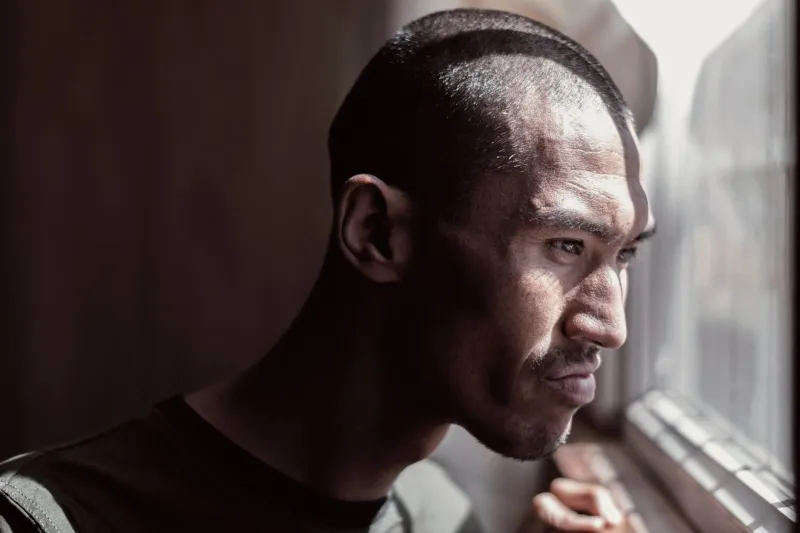
The stereotype of the person with alcohol use disorder is young, chaotic, and visibly struggling. The reality in America right now looks considerably different: a 67-year-old widower in a comfortable suburban house, having his first drink of the day before the evening news. Or a recently retired executive who discovers that the happy hour she used to earn has quietly become an all-day open bar.
Adults over 55 represent one of the fastest-growing segments of people with alcohol problems in the United States, and the trend shows every sign of accelerating as the population ages. Yet late-onset drinking remains one of the most under-identified health issues in American medicine — dismissed by patients, missed by doctors, and invisible to families who assume Dad has always enjoyed his scotch.
Why It Starts So Late
For many older adults, problem drinking isn't a continuation of youth. It's a new development, arriving on the heels of loss.
Retirement removes the structure that organized decades of life. The 6 a.m. alarm, the commute, the colleagues — gone, replaced by long, unclaimed afternoons. Alcohol fills the shape of the empty calendar remarkably well.
Grief does the rest. Spouses die. Friends die. Siblings and former coworkers disappear from the Christmas card list one by one. The loneliness epidemic among older Americans is well documented, and alcohol is the most socially acceptable anesthetic available at the corner store.
Add chronic pain, insomnia, and the casual way our culture hands a drink to anyone over 60 — the 'nightcap' is practically a retirement benefit — and the conditions are complete.
When the Symptoms Get Blamed on Age
Here is what makes late-onset alcohol use disorder so dangerous: its symptoms are almost perfectly camouflaged as normal aging.
Memory lapses. Frequent falls. Poor appetite and unintended weight loss. Irritability and withdrawal from family. Disturbed sleep. A doctor hears these complaints from an older patient and reasonably suspects dementia, depression, or simple frailty. Alcohol rarely makes the differential diagnosis — and patients, asked how much they drink, often answer honestly that they only have a couple each night. Which was true, once.
Screening tools exist specifically for this population, and the honest question worth sitting with is not 'Am I an alcoholic?' but a simpler one: is alcohol doing more for my life than it's doing to it?
Treatment That Fits the Second Half of Life
The encouraging news is that older adults respond to treatment as well as — and by some measures better than — younger people. But the treatment has to fit.
Age-specific groups work. Being the only 70-year-old in a room of 30-year-olds is alienating for everyone. Programs designed for older adults, including specialized tracks within mainstream treatment centers, address grief, retirement transitions, and health concerns alongside the drinking itself.
Medical supervision is non-negotiable. Alcohol withdrawal in older adults carries genuine risks, including dangerous blood pressure changes and interactions with medications for blood pressure, diabetes, and pain. Detoxing at home to keep it private is not worth the risk. A physician-supervised withdrawal is safer and far more comfortable.
Medication review matters. Benzodiazepines and alcohol are a particularly hazardous combination in aging bodies. Anyone in this situation deserves a provider who will look at the full medication picture.
Building a Sober Identity When the Drinking Buddies Are Fifty Years Old
The practical challenge of late-life sobriety is social. The couple you've shared wine with for four decades. The widowers' group that meets at the VFW bar. The spouse who still drinks.
Reinvention at 65 is not the same project as reinvention at 25, but it is entirely possible, and it usually starts small. Senior centers, community colleges, volunteer organizations, faith communities, and senior-focused AA meetings all offer connection without a pour. Exercise programs designed for older adults — walking groups, water aerobics, tai chi — rebuild the structure retirement removed.
And the conversation with a spouse or longtime friend doesn't have to be a confrontation. 'My doctor raised some concerns and I'm taking a break' is enough to start. Many partners, quietly, have been waiting for someone to go first.
The deeper truth is this: recovery after 55 is not about getting back to who you were. It's about deciding who you get to be with the years remaining — with a clear head, a steady step, and mornings that start on purpose.